


Written by Tyler Durden
Currently, Ireland is actively preparing for an EU Digital Identity Wallet to be roll-outed this year (2026), a standardise international/national digital ID that works across public and private services, but many elements of digital identification already exist in practice. So in reality the only thing coming in 2026 is that digital id will be forced on you.
Short story:… It’s already here, You’re fucked.
Longer story?…
At the highest level, this includes formal State-issued digital identity systems such as MyGovID, Ireland’s official online identity verification service. MyGovID operates within the framework of the EU eIDAS Regulation, which standardises electronic identification and “trust” services across European Union member states. Through MyGovID, individuals access public services such as Revenue, social welfare, and other government portals using “verified credentials” that are often linked to official documentation like birth-cert, Passports or Driver Licences.
Did you get the “ECDL/ICDL” Training in school, What was that? Thoughts in the comments.
What “Digital ID” Means in éiRe Today
Digital identity in éiRe extends far beyond government systems. As I am sure you are aware, Your GP’s portal on their website where you can make you appointments access/update your files and the data system the “Doctor” fills in during your consultation. Not to mention the digital prescription they then send to your pHARMacy. So from cradle to grave we are data harvested only for services to be withheld that we and generations of us have invested in.
In the education sector, platforms such as Aladdin Schools, VSWare and Teams (Microsoft) assign digital profiles to students, parents, teachers. and Administrators. These systems store personal data including attendance records, academic performance, contact details, health and behavioural information in some cases these systems know you better that you know yourself or your loved ones. Access typically requires logins and, increasingly, multi-factor authentication.
In the so called “private sector” and social media landscape, digital identity is embedded in platforms such as YouTube and Facebook. Here, identity is constructed through a combination of personal data, behavioural tracking, device identifiers, and sometimes bio-metric elements such as finger print or facial recognition. While these platforms may not always require official government ID at sign-up, identity verification processes can involve uploading passports or driver licences, especially for age verification, monetisation, or account recovery.
Even recreational and gaming environments are part of Ireland’s digital identity ecosystem. Platforms like Steam, Xbox Live (Microsoft) , and PlayStation Network create persistent digital profiles tied to usernames, payment information, game play history, social networks, and in some cases bio-metric or identity verification checks. Increasingly, age restrictions, fraud prevention measures, and parental controls can require identity confirmation through government-issued documentation or linked authentication systems.
Taken together, digital identity in modern éiRe is no longer limited to paper passports or physical ID cards. It is a layered, interconnected and all intrusive system that is not going to be announced or declared the youth of éiRe are already digitally Identified
Schools and Futher Education: Aladdin and VSware – Local Identity Ecosystems
Aladdin App (Primary Schools)
Platforms like Aladdin Schools official site are used by thousands of primary schools across Ireland for administration and communication between schools, teachers, and parents.
Aladdin stores student/parent details, attendance, reports, contact info – effectively acting as a local digital identity for primary school students and their parents within each school’s digital ecosystem.

Users have a username and (often) password tied to real personal data, which schools use to authenticate who you are before sharing academic records or communications.
Although not a central or “national” digital ID, this is a working example of identity being represented digitally, you are recognised digitally within the school system and that identity links to personally identifiable data.
That’s Primary school, now lets move on to secondary school with Teams and VSware…
VSware (Primary & Secondary Schools)
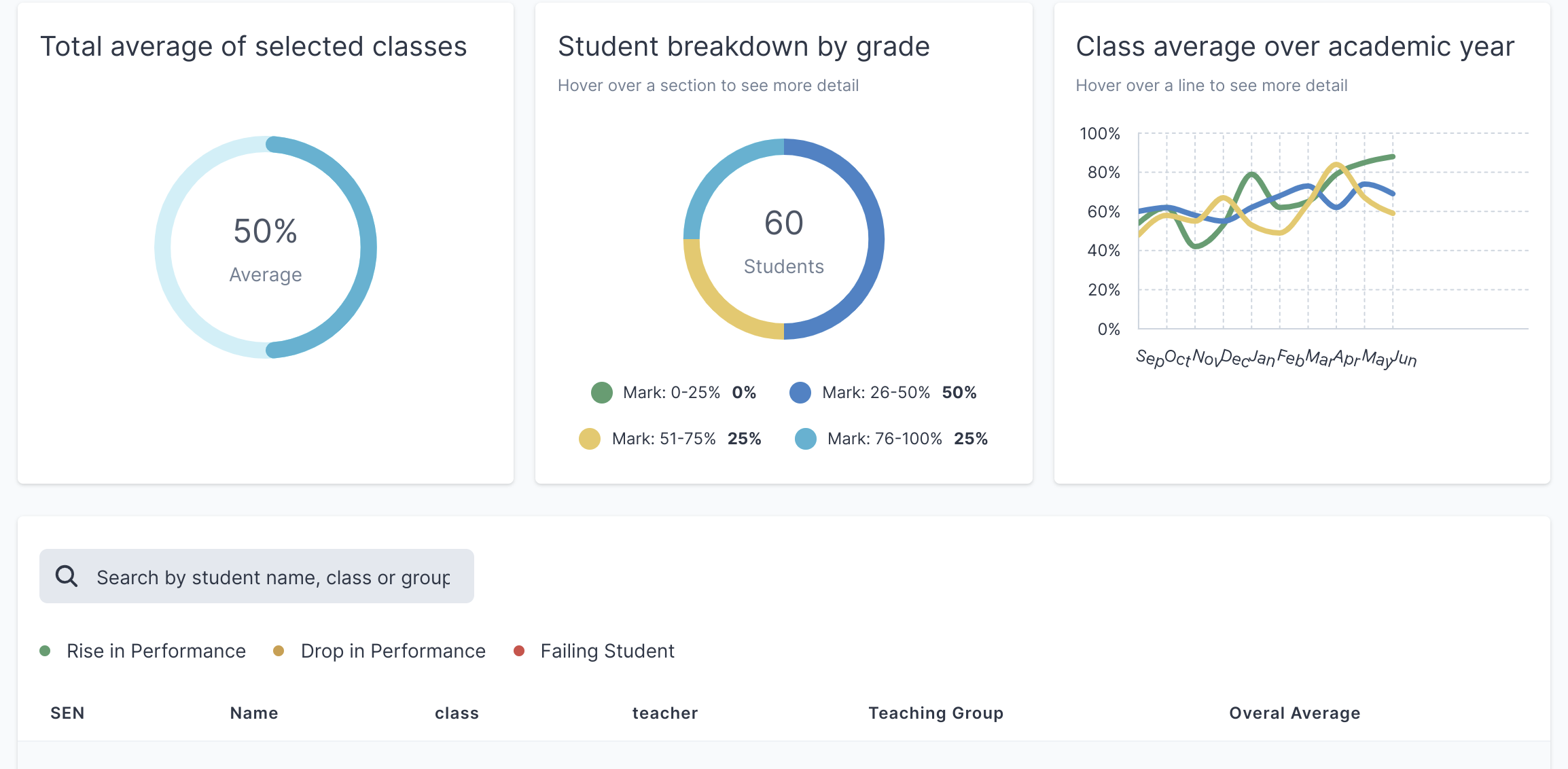
- VSware School Management System is another widespread digital platform used across Irish schools to manage student profiles, attendance, timetables, results, and communications.
- Parents, students, and staff each have unique login credentials (accounts), and access is controlled via usernames and secure verification steps.
- VSware even assigns a “VSware ID” within its system that becomes a stable identifier for a student or parent within the school information ecosystem.

Why this matters: Although these school systems are not educational contexts they function as a data collection point on every family in the State, they can also function as real identity systems, effectively linking real people to persistent digital identities that authorise access to data and services.
If you thought being a teenager and school was stressful before, imagine living under a system where every action contributes to a SDG achievement compliance score. Instead of being evaluated on competency and capability. Your behaviour, opinions, productivity, and even social interactions are continuously measured, recorded and if necessary reported.
Such a system will eventually be tied to access to essential resources(Food, Water Land even Fresh Air). Determining eligibility for a Universal Basic Income (UBI) or influencing a broader Social Credit Score used to define your level of participation in society. Opportunities, financial support, travel Rights privileges, and even digital access could become conditional on maintaining an acceptable social rating.
In this kind of environment, the pressure to conform would extend far beyond a classroom or workplace. Self-expression might feel risky, dissent would carry measurable consequences, and everyday choices could be shaped by algorithmic judgement rather than personal freedom. The psychological toll of constant evaluation, knowing that every action private and public affect your social standing, will fundamentally alter how people think, behave, and relate to themselves and one another.
Now lets talk about how secure is the data in the databases these institutions insist they hold?

So, well, its not. and when something does go wrong, you, as the Parent wont even be informed.
We as the parents will get a text message informing us that there is an important message for us on the compromised VSware platform.
The letter you see here was addressed to a student 4 months after the breach was identified.
Can someone please explain to me why/how this is better than fallowing the FUCKING CONSTITUTION?
This is the social conditioning of the People and specifically the youth of eiRe.
And from school we move on to work or collage with MyGovID…
MyGovID, International Government Digital Identity

Statistics show that around 79 % of Irish people now use an “electronic ID” (like MyGovID or Revenue’s myAccount) to access online services.

MyGovID official site is Ireland’s national digital identity service used to securely log in to government services online.
It is increasingly adopted, with well over 2.6 million verified accounts, and lets people access services like tax, welfare, and public records.
MyGovID has two levels:
Basic accounts (simple login)
Verified accounts, which include identity checks using a passport and Personal Public Service Number (PPSN) linking your real identity to your digital account.
This is official digital identity already in wide use, driving much of how we the People interact with our government services in this modern age.
Social Media Accounts & Implicit Digital IDs
While not part of a formal digital identity infrastructure yet, platforms such as Facebook, Instagram, TikTok, X, LinkedIn, etc. function as digital identifiers that hold databases intel-agency’s could only dream of:
- Are tied to your real identity and behaviour patterns.
- Often use email and phone verification to authenticate users.
- Can be used for login credentials to other services (e.g., “Continue with Facebook”).
- Can effectively serve as forms of identification online, even without formal government backing.
So, in everyday use, many people already identify themselves digitally through social media accounts, including age verification and login authentication, even if these platforms aren’t officially part of a government digital ID strategy, they function the exact same way and with micro-nations being a collective of the contracts you sign and apps you use you already have a digital ID.
Putting It All Together: How Ireland’s Digital ID Is Already Here
Here’s how identity is already being represented digitally in Irish life:
| System | What It Does | Identity Role |
|---|---|---|
| MyGovID | Government login and banking of identity for services | Official digital ID for public services |
| Aladdin Connect | School-parent-student communication and records | Local digital identity within school community |
| VSware | Comprehensive school data and profiles | Persistent identity for students/parents/staff |
| Social Media Accounts | Personal login and authorisation tools | De-facto digital identity used across the internet |
We have not discussed the local councles “digital portals for property TAX and social housing, digital banking apps like BOI, Revolt and AIB. Never-mind how every single section of official aristocratic Irish society is interlinked to the SDGs (Sustainable Development Goals)
I don’t possess any formal identification, no passport, no driver’s licence, no MyGovID account, no bank account, no personal social media presence, and we change our “pay-as-you-go” mobile number(s) regularly.
Yes, living this way is more complicated. But much of that complexity feels intentional: systems increasingly structured so that participation is the default, and opting out becomes progressively impractical. As a result, we forgo many modern conveniences altogether, and the services we can access often cost us more.
What troubles me most is that, despite my efforts to preserve our family’s privacy, the State has automatically enrolled my children in many of the very schemes I have objected to over the years. Decisions about their and our data, their financial participation, and even their future retirement contributions are being made without meaningful discussion or consent.
In the coming years, they will likely be automatically enrolled in pension or superannuation programs as well. Programs that will invest funds in industry’s we collectively disapprove of, through large global corporations such as Tata Group we lose our ability to self-determination. To me, this represents not just fraudulent financial policy, but a broader shift in control over where our and our family’s future resources are directed.
The core issue is autonomy and policing. When participation becomes automatic and opting out becomes impossible, the balance of power shifts. What is presented as administrative streamlining can, over time, feel like a gradual erosion of the individual, National Independence and Family Sovereignty. How do “They” intend to correct Wrong Think?.. Their was no famine, their was a genocide and it’s starting to look very familiar.
End of the long story, We’re not fucked yet, but we REALLY need to start engaging and stop complying.
Written by Tyler Durden
Back-Up Video

In all honesty, I think the world deserves what’s coming. We have grown men that are sitting around and simply allowing this to happen – they deserve it.
A few thousand of them. But what could we do to stop them – said 8 Billion people


Leave a Reply